Scarborough Village Lock & Key Specialists
Issue 2 of 3LocksmithToronto, Ontario
Safe Opening & Combination Change: what the visit covers
A safe opening and combination change service is built around confirming who has the right to be inside the safe before any tool touches it.
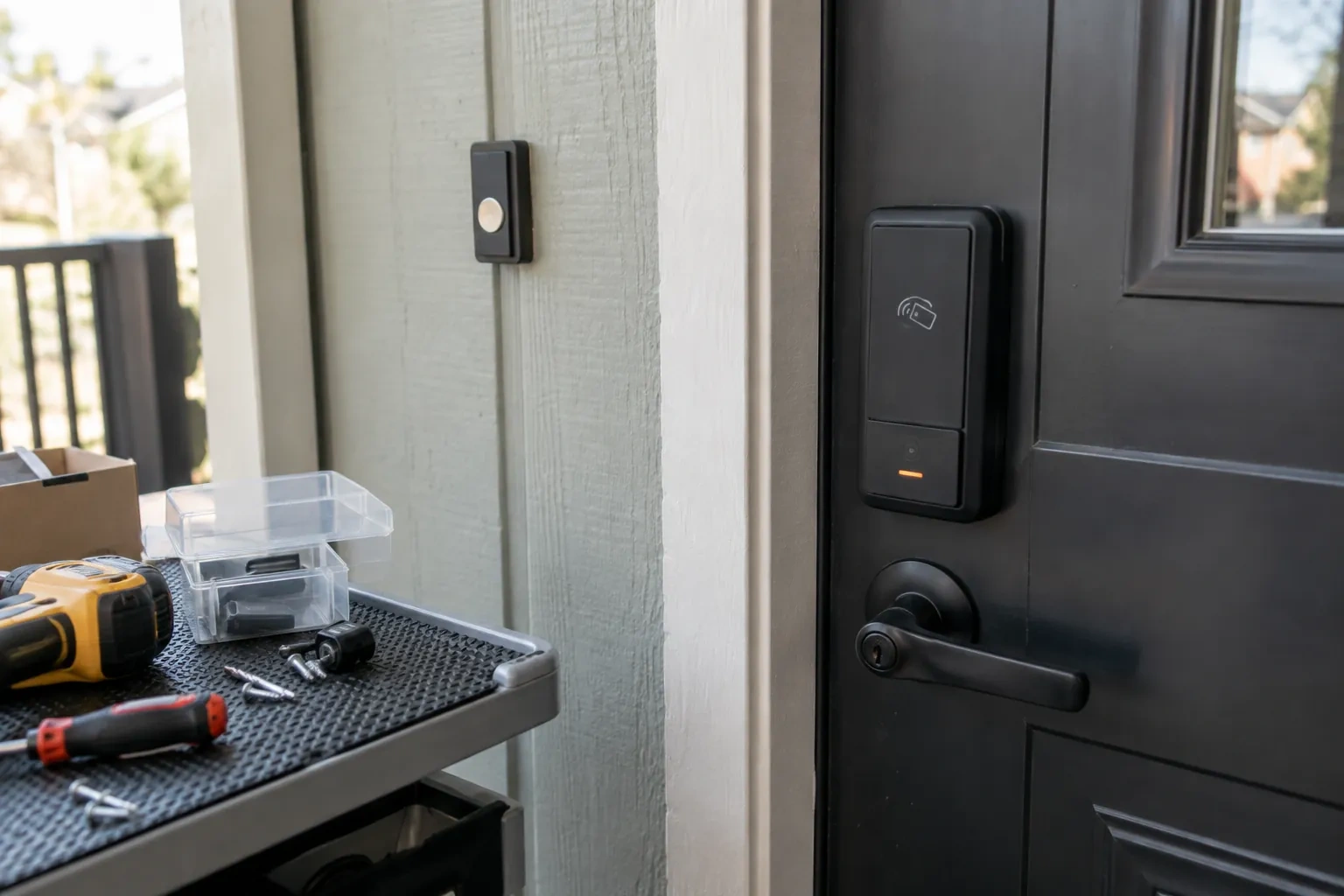
A safe opening and combination change service is built around confirming who has the right to be inside the safe before any tool touches it. Once that is settled, the locksmith identifies the safe's make, model and lock type, then works through the least invasive method that fits it, whether that means reading a dial by feel or resetting an electronic keypad. The final step sets a new combination chosen by the current owner, tested repeatedly, so the visit ends with a working safe under a code only they hold.
Looking for a relocker or prior damage
Some safes include a relocker, a small device built to jam the bolt work until a trained technician services it, if the case is drilled in the wrong place, dropped, or exposed to fire. The locksmith looks for pry marks, drill attempts, scorching or a history of the safe being moved or dropped, since any of these can explain a lock that suddenly refuses a combination that worked yesterday. Recognizing a tripped relocker early changes the plan: the fix is mechanical, freeing or replacing the relocking mechanism, rather than another attempt at the original combination or a straightforward reset.
Drilling through a chosen, repairable point
When manipulation, decoding and the electronic reset path all fail to open the safe, drilling is explained to the owner before it begins, aimed at a specific point the lock manufacturer's own service documentation identifies as both reachable and safe to repair afterward. A borescope is used through the drilled hole to view the lock's internal parts directly and manipulate or bypass them without further damage. The aim is to affect nothing beyond that single hole, patched or plugged as one of the last steps of the visit, though the number of holes needed and any effect on the safe's rated protection level depends on its construction and is addressed with the manufacturer's approved repair method.
A combination that belongs to the current owner
Every old credential the lock supports, past user and manager codes, any super-master or recovery code, keys and external access, is checked and removed rather than just the one combination in daily use, so nobody still holding an old way in, a departed employee, a previous owner or otherwise, keeps one. The new sequence is chosen by the current owner or manager on the spot, not assigned from a list. This is worth treating deliberately rather than casually: deciding who genuinely needs the combination, and keeping that group as small as the business actually requires, is the simplest way to keep a fresh reset from becoming next year's same problem.